In a country striving toward inclusive growth, access to education remains one of the most critical challenges. Despite legislative frameworks like the Right to Education Act, 2009, millions of children in India are still deprived of their fundamental right to schooling. Addressing this pressing issue, SADRAG, a not-for-profit organisation established in 2004, has been working tirelessly to ensure that every child gets an equal opportunity to learn, grow, and thrive.
SADRAG operates across the Delhi-NCR region, including districts such as Gautam Budh Nagar, Ghaziabad, and Hapur, with an extended presence in states like Punjab and Tamil Nadu. Guided by its vision of “Equality of Life for All,” the organization is committed to building a world where dignity, self-respect, and equal opportunities are accessible to everyone.
Its work is driven by three key pillars:
- Literacy and Education for children and adolescents
- Skill Development and Livelihood for women and youth
- Child Protection and Gender Safety, including prevention of violence and workplace harassment
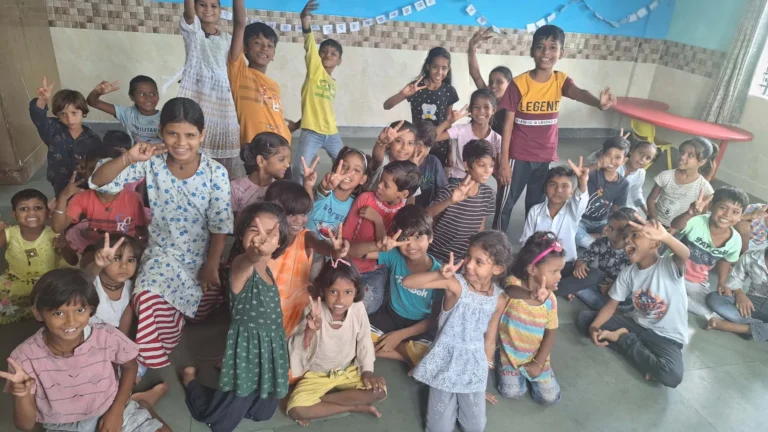
One of SADRAG’s flagship initiatives, Ugta Suraj, was launched in 2007 in Gautam Budh Nagar, Uttar Pradesh. The program focuses on mainstreaming out-of-school children aged 6 to 14 years into the formal education system.
These children often come from migrant families, are school dropouts, or are first-generation learners who have missed formal education due to socio-economic challenges. Ugta Suraj aims to ensure that no child is left behind.
How the Program Works
Ugta Suraj operates through Learning and Support Centres established within local communities. These centres serve as safe and engaging spaces where children can prepare for formal schooling.
Key components of the program include:
- Academic Preparation: Bridging learning gaps to help children transition into schools
- Life Skills Education: Using art and craft to foster creativity and confidence
- Leadership and Awareness: Promoting gender sensitization, citizenship, and social responsibility
- Post-Enrolment Monitoring: Tracking children for one year after school enrolment to prevent dropouts
A defining strength of Ugta Suraj is its strong community involvement. The program begins with household surveys conducted in collaboration with local bodies such as PRIs, Anganwadi workers, and healthcare staff to identify out-of-school children.
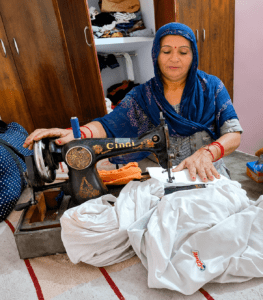
Community spaces like village Barat Ghars are transformed into learning centres, and local women are trained as educators and paid volunteers. This not only ensures sustainability but also empowers women within the community.
Parents, especially mothers, actively participate in program activities, creating a supportive ecosystem for children’s education.
Since its inception, Ugta Suraj has:
- Mainstreamed over 3,000 children into formal schools
- Enabled 120–130 children annually to transition into education
- Established three operational centres in Noida, Dadri, and Greater Noida
The program ensures equal learning opportunities for all children, regardless of caste, religion, or gender, promoting inclusivity at every step.
Scalability and Sustainability
Ugta Suraj stands out as a low-cost, scalable model that can be replicated across different regions. Its success lies in:
- Strong community ownership
- Minimal resource dependency
- Inclusive and adaptable curriculum (SLATE)
- Focus on long-term impact through follow-ups and peer learning networks
This makes it particularly effective for migrant and underserved populations across India.
India faces a significant education gap, with millions of children still out of school, especially among migrant communities. Ugta Suraj addresses this issue through a 360-degree learning approach, ensuring children not only enter schools but also stay and succeed.
The initiative serves as a powerful example of how grassroots efforts can create meaningful, lasting change in society.