In a country grappling with mounting waste challenges, organisations like Saahas are leading the way toward sustainable solutions. Founded in 2001, Saahas has been instrumental in enabling India’s transition to a circular economy, where waste is not discarded but transformed into valuable resources. Headquartered in Bangalore with a regional office in Gurgaon, the organisation combines scientific expertise with grassroots implementation to address one of India’s most pressing environmental concerns: solid waste management.
Vision for a Circular Economy
Saahas envisions an India where “nothing is waste.” This philosophy drives its initiatives, particularly in rural areas where waste management systems are often underdeveloped. Through its flagship initiative, Project Bhoomi, the organisation has demonstrated how community-driven approaches can lead to lasting environmental and social change.
The Challenge: A Growing Waste Crisis
Before the intervention, villages in Kota district, Rajasthan, faced severe waste management issues. A baseline survey revealed alarming statistics:
- 97% of residents identified dumpsites and littering as major concerns
- Over 90% burned plastic waste or disposed of it irresponsibly
- 48% lacked awareness of waste segregation
- 67% did not understand waste categorisation
- Over 50% were unaware of government initiatives like the Swachh Bharat Mission
Improper waste disposal led to clogged drains, polluted water bodies, and increased health risks, particularly for children and vulnerable populations. Plastic waste often flows into nearby water structures, causing long-term environmental damage.
The Approach: Awareness Meets Action
Project Bhoomi adopted a holistic and participatory approach to tackle these challenges. The initiative combined Information Education Communication (IEC) and Behaviour Change Communication (BCC) strategies to shift community attitudes toward waste.
Key Interventions
- Awareness Campaigns: Door-to-door outreach and community meetings educated residents on waste segregation and the 3Rs—Reduce, Reuse, Recycle.
- Stakeholder Engagement: Sessions with ASHA workers, Anganwadi staff, students, and Gram Panchayat members strengthened local involvement.
- Participatory Rural Appraisal (PRA): Ensured community voices were central to planning and decision-making.
- Capacity Building: Training sanitation workers and local leaders improved operational efficiency and sustainability.
- Waste Collection System: A structured door-to-door system was introduced, separating waste into wet, dry, and hazardous categories.
- Resource Recovery Center (RRC): Waste was processed locally, with recyclables sent for reuse and non-recyclables directed to cement factories.
- Village Development Committees (VDCs): Enabled local governance and monitoring of waste management activities.
The Impact: A Remarkable Transformation
Within just six months, the project achieved significant behavioural and environmental improvements:
- Over 80% of households began participating in waste collection
- 70% adopted waste segregation at the source
- Littering nearly disappeared, and public spaces became visibly cleaner
- Roads and drains were no longer clogged
- Awareness of environmental and health risks increased substantially
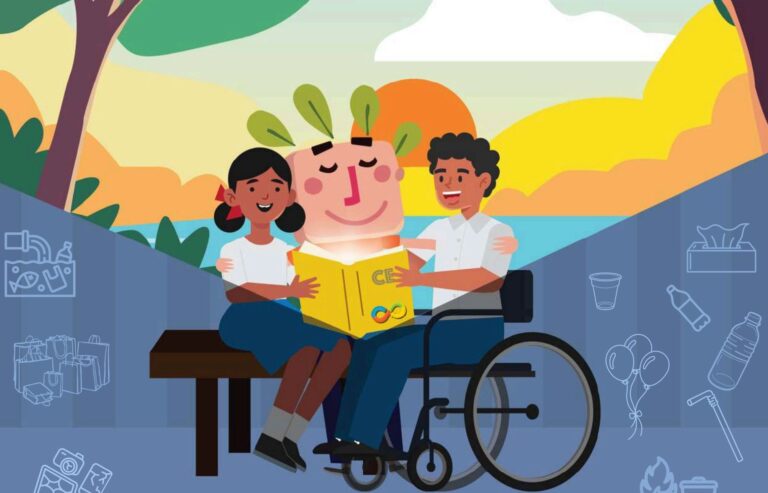
Children actively participated in waste segregation, reflecting a generational shift in mindset. Importantly, the project also created livelihood opportunities for waste workers, enhancing their financial stability and dignity.
Community Ownership: The Key to Sustainability
One of the most notable outcomes of Project Bhoomi is the strong sense of ownership developed within the community. The Gram Panchayat’s commitment to paying waste workers ensures the continuity of the initiative beyond its initial implementation phase.
This participatory model—rooted in awareness, training, and consistent engagement—has proven to be both scalable and replicable. It offers a blueprint for other rural regions facing similar challenges.
A Model for the Future
Project Bhoomi stands as a powerful example of how targeted interventions and community collaboration can transform waste management systems. From a starting point of limited awareness and widespread environmental degradation, the villages now embody sustainable practices and collective responsibility.
As India moves toward a circular economy, initiatives like this highlight the importance of grassroots action supported by expert guidance. With measurable impact, strong community engagement, and long-term sustainability, Project Bhoomi is not just a success story—it is a model for nationwide change.