
For many years, members of the Pardhi community have faced social and economic marginalisation, limited access to education and employment, and difficulties in obtaining essential government documents. These challenges often create a cycle of poverty, exclusion and vulnerability to criminal activities among some sections of the community. Recognising that policing alone cannot address the root causes of such challenges, Hon. Atul Kulkarni Sir initiated the “Pahat” Initiative in 2022, with a vision of bringing members of the Pardhi community into the mainstream through opportunity, dignity and empowerment.
The core philosophy of Pahat is simple: if young people are provided with education, employment, skills and sustainable sources of income, they can build a better future and move away from crime. Instead of looking at the community only through the lens of policing, the initiative focuses on understanding their challenges and creating practical pathways towards self-reliance.
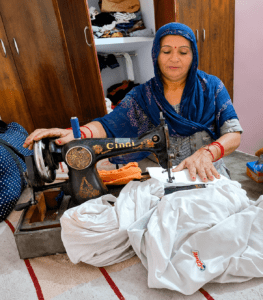
One of the major interventions under Pahat has been the organisation of employment and career guidance programmes. Job fairs and counselling sessions were conducted to connect young people with employment opportunities and help them understand different career options. Several beneficiaries were supported in finding jobs, while others received guidance and assistance to start small businesses and income-generating activities.
For individuals interested in agriculture, the initiative also promoted organic and sustainable farming. Beneficiaries were provided guidance on improving agricultural practices, selecting suitable crops, adopting organic methods, and accessing the support required to make farming a sustainable source of income. The objective was not merely to provide temporary assistance, but to help families develop long-term livelihood opportunities.
Education and competitive examinations have also been important components of Pahat. Many young people from the community aspire to join the police force but lack access to proper coaching and study resources. To address this gap, free police recruitment training was provided to deserving youth. Study facilities and library access were also made available, creating an environment where young people could prepare for competitive examinations and pursue better career opportunities.
Another significant challenge faced by members of the community was the absence of essential government identity and welfare documents. Without documents such as identity proof, birth certificates, and other required records, accessing government schemes, education, employment and other public services becomes extremely difficult. Through dedicated camps, the initiative helped citizens understand their documentation requirements and facilitated the process of obtaining necessary documents.
Pahat represents a shift from reactive policing to preventive and community-oriented policing. It recognises that sustainable crime prevention requires addressing the social and economic conditions that can contribute to vulnerability. By creating opportunities instead of merely responding to problems, the initiative builds trust between the police and the community.
The impact of Pahat extends beyond individual beneficiaries. When a young person receives employment, starts a business, pursues education or prepares for a government job, the benefit reaches the entire family. It creates confidence, dignity and a sense of belonging to the mainstream society.
The initiative reflects the belief Solapur Rural Police that effective policing is not only about maintaining law and order, but also about creating conditions in which communities can progress safely and with dignity. Pahat is therefore not just an initiative—it is a bridge between policing and social transformation, turning hope into opportunity and opportunity into a better future.