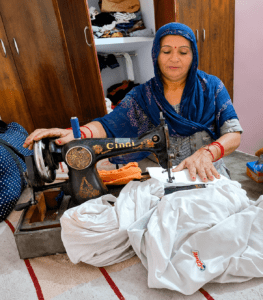

In many neighbourhoods across India, women running small flour mills produce fresh, stone-ground atta using traditional methods. Despite their skill and dedication, they often remain disconnected from customers who would value their products, limiting their earning opportunities and visibility.
Recognising this gap, 17-year-old Mumbai student Naavya Shah founded Aata Girl, a social enterprise that connects consumers directly with women-led flour mills. The initiative aims to create sustainable livelihoods for women entrepreneurs while encouraging people to choose fresh, locally produced, stone-ground atta.
Aata Girl works by sourcing directly from women-run mills, eliminating unnecessary intermediaries and ensuring that more value reaches the women behind the product.
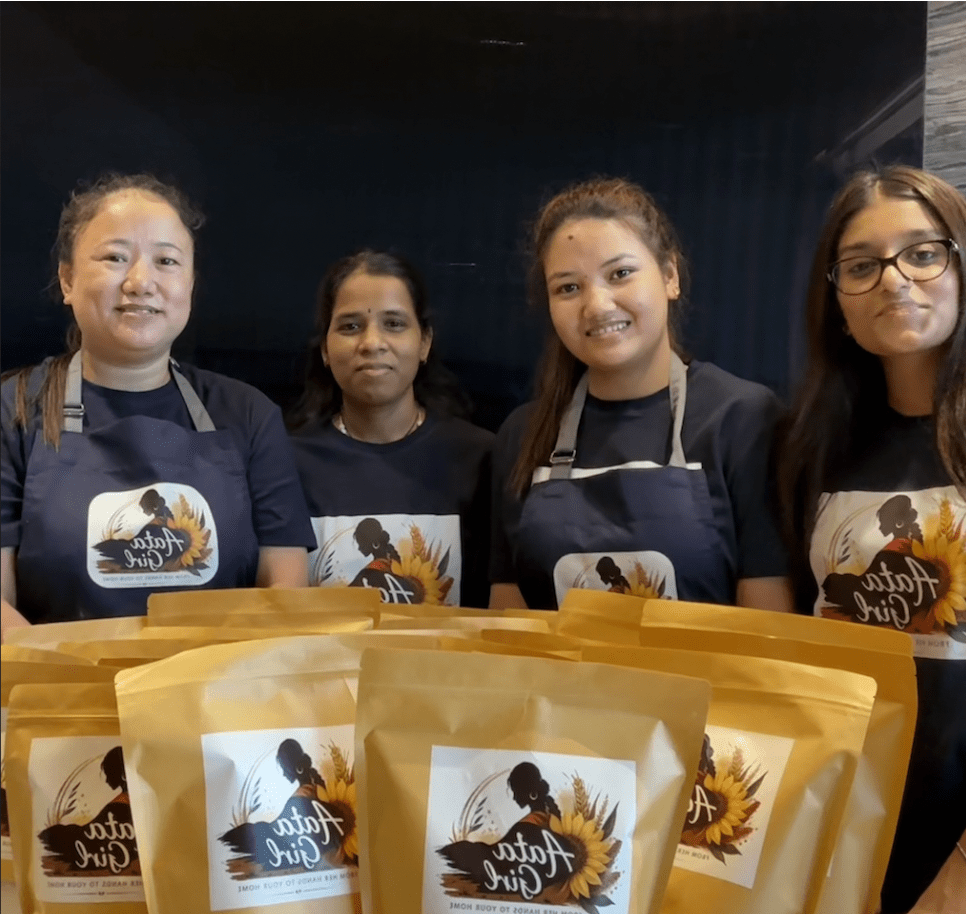
Aata Girl – “From her hands to your home”. Alongside empowering these entrepreneurs, it also supports local farmers through direct sourcing and promotes traditional milling practices that are gradually disappearing. It also provides jobs to women as delivery agents. By women, for women, through women.
Since its inception, Aata Girl has sold over 3,000 kilograms of stone-ground atta up until now, created earning opportunities for 31+ women involved in milling and delivery, supported local women farmers, and raised more than ₹2,25,000 to expand its impact and reach more women-led businesses.
What makes the initiative unique is that it has been built entirely by a student while balancing academics. Naavya has independently developed partnerships with flour mills, created the brand identity, managed customer outreach and advertisements, and established a simple WhatsApp-based ordering system that makes fresh, locally milled atta easily accessible to households.
The model demonstrates that meaningful social impact does not always require complex technology or large investments. By identifying an overlooked gap in the local economy and building direct connections between producers and consumers, Aata Girl shows how everyday purchasing decisions can strengthen women’s livelihoods, preserve traditional food practices, and support local communities.
As the initiative grows, her vision is to expand this network across India, enabling more women-led flour mills to access larger markets while inspiring young people to build businesses that combine entrepreneurship with measurable social impact.